

Total Money Makeover Review: What Happened After Using It for 6 Months
I owed $19,400 across four credit cards and a personal loan. Six months after picking up this book, I had paid off two of them completely. Here is what actually happened.

I had tried budgets, spreadsheets, and sheer willpower. None of it worked until my sister-in-law slid a book across the kitchen table and told me to just read the first chapter.
I owed $19,400 across four credit cards and a personal loan. Six months after picking up this book, I had paid off two of them completely. Here is what actually happened.

Dave Ramsey gives you a step-by-step plan to get out of debt. Morgan Housel explains why smart people keep making bad money decisions. Both books are worth reading. But if you are carrying debt right now and living closer to the edge than you would like, only one of them will move the needle this week.
The plan sounds old-fashioned until you realize why it keeps working for regular people who have tried everything else.
I had tried budgets, spreadsheets, and sheer willpower. None of it worked until my sister-in-law slid a book across the kitchen table and told me to just read the first chapter.
Dave Ramsey's debt snowball is not complicated. Here is how to set it up, what to expect in the first 90 days, and what actually keeps people on track long enough to finish.
This book has more than 22,000 Amazon reviews and a polarized fanbase. Before you decide which camp is right, here is what it actually says, what it does not say, and who it will genuinely help.
I picked up Bernard Kamoroff's 475 Tax Deductions three years ago when I started freelancing on the side. Here is what it actually helped me find, what it did not, and who I think should own a copy.
One teaches you what to claim. The other helps you file. If you only buy one this tax season, here is how to pick the right one for your situation.
You probably left money on the table last April. These 10 overlooked deductions are legal, documented, and worth knowing before you file again.
For years I assumed my tax preparer was getting me everything I was owed. Then I read Bernard Kamoroff's 475 Tax Deductions and realized I had been leaving real money on the table.
Most freelancers and gig workers overpay on taxes every single year because nobody ever showed them what they can legally deduct. Here is a plain-English walkthrough to help you stop leaving money on the table before your next filing.
Bernard Kamoroff's book gets plenty of praise, but certain readers walk away disappointed. Here is a candid look at what the book actually delivers, who it frustrates, and whether it belongs on your desk before tax season.
I picked up John Bogle's slim investing classic when I had $400 to my name and no idea what an index fund was. Here is an honest account of what the book taught me and what my portfolio looks like two years later.
Both are classics. One is 200 pages. The other is 600. Here is which one actually gets a first-time investor moving.
You do not need to be a professional trader to build real wealth. You just need to stop doing the thing most people do wrong.
I was making investing decisions based on YouTube clips and gut feeling until I read this book. Here is what I did differently after.
A plain-English, step-by-step guide to opening your first account and putting your first dollars to work, without needing a finance degree or a big lump sum.
My brother pushed this book on me for two years before I finally read it. He was right that it was worth reading. He was wrong that it would answer all my questions. Here is what I actually found inside.
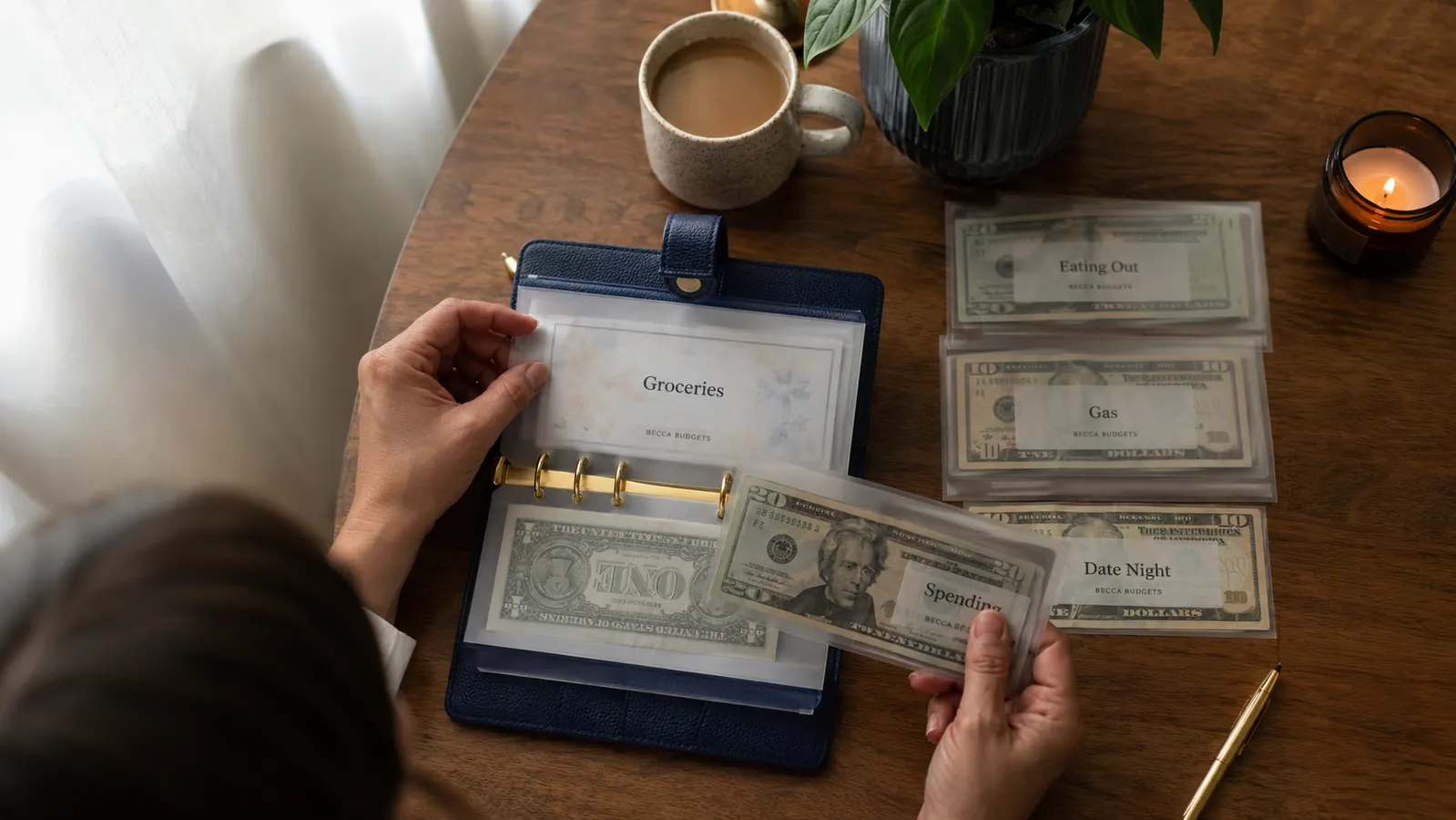
I tried apps, spreadsheets, and sheer willpower before a $9 binder changed how I handle money. Here is what six months with the SKYDUE cash envelope system actually looked like.
One costs about $9 and lives on your kitchen counter. The other charges $14 a month and runs on your phone. Here is how to figure out which one will actually work for you.
Apps, spreadsheets, and willpower all failed me. The cash envelope method was the one system that made overspending physically impossible.
I had tried budgeting apps, color-coded spreadsheets, and plain old willpower. Nothing clicked until I held my grocery money in my hand.
A plain-English walkthrough for anyone who has tried budgeting apps and spreadsheets but still ends up broke before payday.
More than 19,000 people have bought and rated this binder. But the star rating does not tell you about envelope wear, the cash-carrying discomfort, or the type of spender it actually cannot help. I will.
I first read this book nine years ago and dismissed half of it. Here is what changed after I came back to it with fresh eyes and a different financial situation.
Kiyosaki says build assets. Ramsey says kill your debt first. Both books have millions of fans. The right one for you depends on where you are right now.
Robert Kiyosaki's book has sold over 40 million copies. Here is why that number keeps growing, lesson by lesson.
I had read personal finance advice for years and none of it clicked. Then I hit one specific idea in this book and it reframed everything.
A plain-English walkthrough of what the Rich Dad framework actually tells you to do first, second, and third when you have no savings and no investing experience.
I picked this book up expecting a blueprint. What I got was a philosophy with no instruction manual. Here is an honest look at what that means for you before you buy.
I owed $19,400 across four credit cards and a personal loan. Six months after picking up this book, I had paid off two of them completely. Here is what actually happened.

This book has more than 22,000 Amazon reviews and a polarized fanbase. Before you decide which camp is right, here is what it actually says, what it does not say, and who it will genuinely help.
I picked up Bernard Kamoroff's 475 Tax Deductions three years ago when I started freelancing on the side. Here is what it actually helped me find, what it did not, and who I think should own a copy.
Bernard Kamoroff's book gets plenty of praise, but certain readers walk away disappointed. Here is a candid look at what the book actually delivers, who it frustrates, and whether it belongs on your desk before tax season.
I picked up John Bogle's slim investing classic when I had $400 to my name and no idea what an index fund was. Here is an honest account of what the book taught me and what my portfolio looks like two years later.
My brother pushed this book on me for two years before I finally read it. He was right that it was worth reading. He was wrong that it would answer all my questions. Here is what I actually found inside.
I tried apps, spreadsheets, and sheer willpower before a $9 binder changed how I handle money. Here is what six months with the SKYDUE cash envelope system actually looked like.
More than 19,000 people have bought and rated this binder. But the star rating does not tell you about envelope wear, the cash-carrying discomfort, or the type of spender it actually cannot help. I will.
I first read this book nine years ago and dismissed half of it. Here is what changed after I came back to it with fresh eyes and a different financial situation.
I picked this book up expecting a blueprint. What I got was a philosophy with no instruction manual. Here is an honest look at what that means for you before you buy.